

COMPLEMENTARY AND ALTERNATIVE MEDICINE USE AMONG TYPE 2 DIABETICS- ASSESSING PREVALENCE AND PATTERN IN A TERTIARY HOSPITAL IN SOUTH-SOUTH NIGERIA
Article Sidebar
Abstract Views | PDF/EPUB Download:
1089
/ 465
/ 171
Main Article Content
Abstract
Background: The World Health Organization estimates that a significant number of persons in Sub-Saharan Africa (SSA) depend on indigenous, Complementary and Alternative Medicine to attend to their primary healthcare needs. Furthermore diabetics are 1.6 times more likely than non-diabetics to use a Complementary and Alternative Medicine (CAM). The objectives of this study were to determine the prevalence of CAM use, to determine the medium of CAM introduction to the respondents and to know the pattern of CAM use among respondents.
Methods: The study was a hospital-based study, cross-sectional descriptive study of 260 Type 2 diabetic patients aged 18 years and older. Simple random sampling method was used to recruit respondents. A structured interviewer administered questionnaire was used to collect relevant data. Data was analysed using the Statistical Package for Social Sciences version 23. Frequency distribution tables, percentages, charts, were used to analyse data.
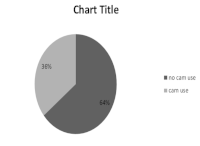
Results: The prevalence of CAM use was 36% (n=93), 49.5% (n=46) of respondent were introduced to the use of Complementary and Alternative Medicine by friends, colleagues, neighbor, sales rep and other diabetics and biological based CAM (>90%) was the most frequently used.
Conclusion: The study revealed that less than half of the respondents used CAM. Respondents were introduced to CAM by friends, colleagues, neighbours, Sales representatives and other diabetics. Biological based CAM products were the most commonly used.
Downloads
Article Details
Issue
Section

This work is licensed under a Creative Commons Attribution-NonCommercial-ShareAlike 4.0 International License.
Articles published in the journal are licensed under the Creative Commons Attribution 4.0 International License (CC BY 4.0). This license permits users to read, download, copy, distribute, print, search, or link to the full texts of the articles, and to use them for any lawful purpose, provided that appropriate credit is given to the original author(s) and the source.
How to Cite
Share
References
1.Khan MA, Hashim MJ, King J, Govender RD, Mustafa H, Al Kaabi J. Epidemiology of type 2 diabetes – global burden of disease and forecasted trends. J Epidemiol Glob Health. 2020;10(1):107– 11.
2.Rafi MA, Azad DT, Bhattacharjee M, Rahman N, Mubin KA, Rahman MA, et al. A hospital-based study on complementary and alternative medicine use among diabetes patients in Rajshahi, Bangladesh. *BMC Complement Med Ther*. 2020;20:1.
3.International Diabetes Federation. Diabetes facts & figures [Internet]. Brussels: International Diabetes Federation; 2025 [cited 2025 Oct 19]. Available from: https://idf.org/about-diabetes/diabetes-facts- figures/
4.Yen FS, Wei JC, Shih YH, Hsu CC, Hwu CM. The risk of nephropathy, retinopathy, and leg
et al. Prevalence and factors associated with complementary and alternative medicine use among Iranian diabetic patients: a cross-sectional study.
*Curr Ther Res*. 2024;100:100746.
10.Famurewa OT, Aje AA, Kolawole BA. Complementary and alternative medicine use among ambulatory diabetes patients in a South- Western tertiary hospital in Nigeria. *West Afr J Pharm*. 2023;31(1):61–71.
11.Ala AO, Ojo OA, Enikuomehin CA, Ajani GO, Olamoyegun MA, Akinlade AT, et al. Prevalence
amputation in patients with diabetes and hypertension: a nationwide, population-based retrospective cohort study. *Front Endocrinol*. 2021;12:756189.
5.Ayima CW, Theophile NN, Assob JCN, Nsagha DS. Prevalence and predictors of traditional, complementary/alternative medicine use, and types of herbal remedies used for COVID-19 in the South West Region of Cameroon. *J Biol Today's World*. 2021;10(6):1–4.
6.Lee EL, Richards N, Harrison J, Barnes J. Prevalence of use of traditional, complementary and alternative medicine by the general population: a systematic review of national studies published from 2010 to 2019. *Drug Saf*. 2022;45(7):713–
35.
7.Phutrakool P, Pongpirul K. Acceptance and use of complementary and alternative medicine among medical specialists: a 15-year systematic review and data synthesis. *Syst Rev*. 2022;11(1):1.
8.Radwan H, Hasan H, Hamadeh R, Hashim M, AbdulWahid Z, Hassanzadeh Gerashi M, et al. Complementary and alternative medicine use among patients with type 2 diabetes living in the United Arab Emirates. *BMC Complement Med Ther*. 2020;20:1.
9.Ghorat F, Mosavat SH, Hadigheh S, Kouhpayeh SA, Naghizadeh MM, Rashidi AA,
and determinants of complementary and alternative medicine (CAM) use among diabetes patients in Southwestern Nigeria. *West Afr J Med*. 2020;37(5):528–36.
12.Raja R, Kumar V, Khan MA, Sayeed KA, Hussain SZM, Rizwan A. Knowledge, attitude, and practices of complementary and alternative medication usage in patients of type II diabetes mellitus. *Cureus*. 2019;11(8):e5503.